

webinar
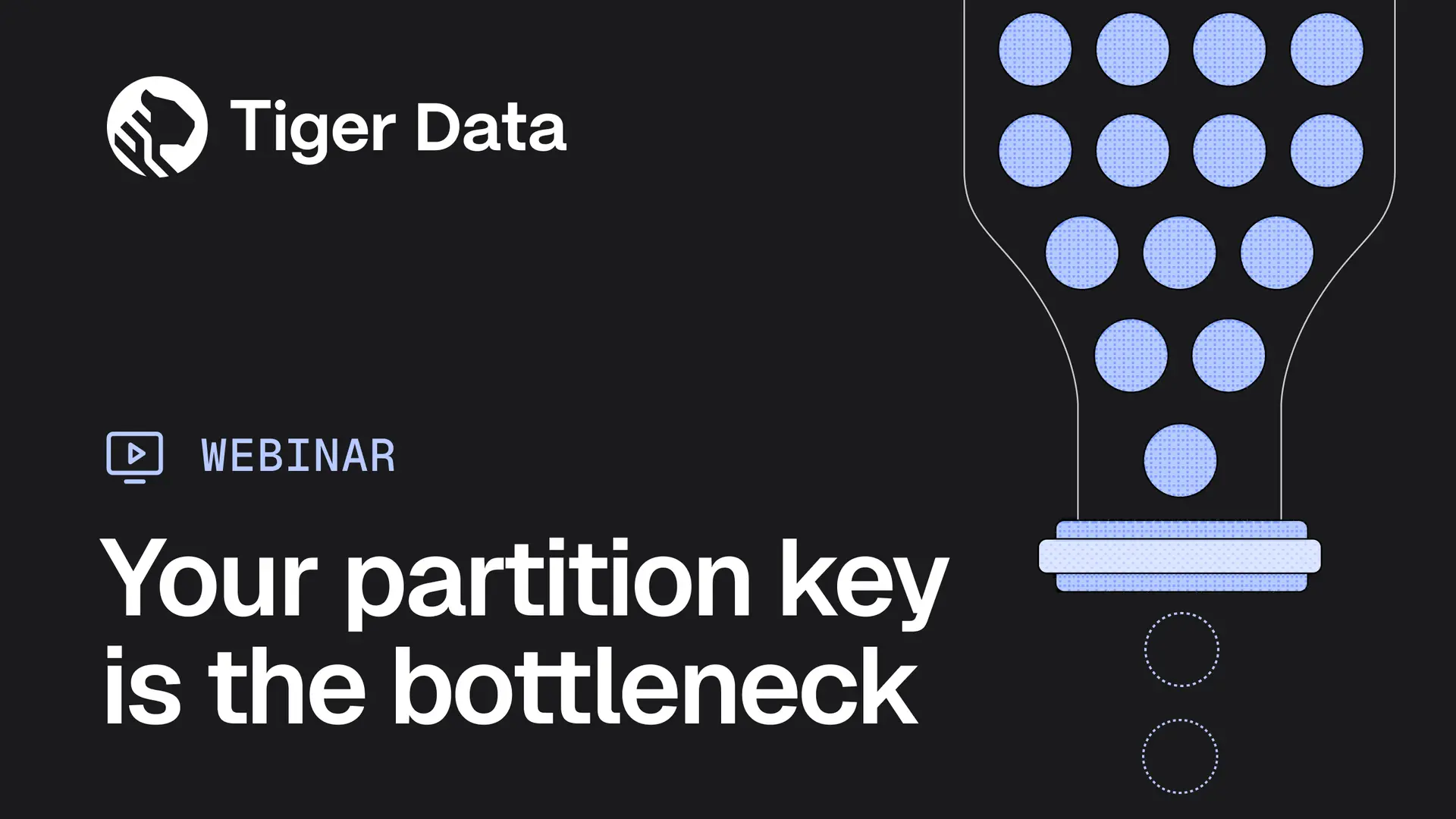
Your Partition Key Is the Bottleneck: Fixing Write Hot Spots in SCADA Tag Tables
Date
Wednesday, September 23, 2026
Location
Virtual (link sent upon registration)
Abstract
At 50,000 inserts per second, a skewed partition key can route 40,000 of them into a single partition. That one partition throttles your entire write path while the other 199 sit idle.
This happens constantly in field telemetry. Teams partition by the column they already filter on, which in oilfield platforms usually means well_id, pad_id, or asset_id. The schema looks correct. Storage looks balanced. Then p95 write latency drifts from 8ms to 25ms over six weeks and every other metric reads healthy.
This session shows you how to find it and fix it. We run the diagnostic against a partitioned tag table, identify the hot partition by dead tuple ratio and index bloat, and then walk through two schema-level fixes. You leave with queries you can run against your own largest table today.
What you'll learn
Why a skewed partition key does more damage than a missing index, and why it stays invisible until the damage is done
How write concentration compounds through index page splits, WAL volume, and per-partition autovacuum that has no idea it is being starved
How to move from value-based to time-based range partitioning, and what the migration path looks like above and below 100 million rows
How hypertables handle chunk creation, compression, and lifecycle without external cron jobs, and what that does to WAL throughput
Can’t make it live? Register anyway and we’ll send you the recording.
Register free
You might also be interested in
workshop
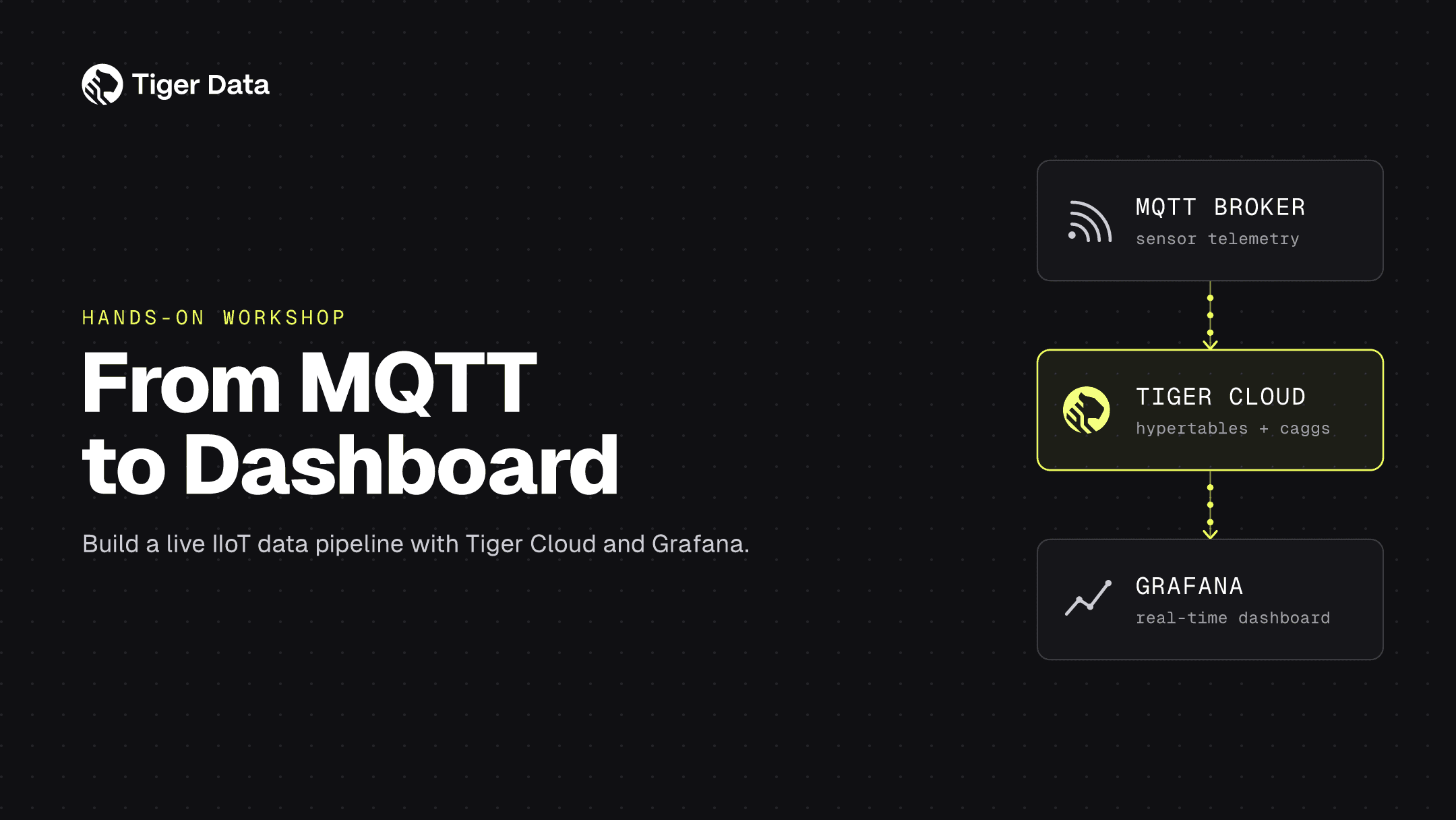
From MQTT to Dashboard Real-Time IIoT Pipelines with Tiger Cloud
In this hands-on workshop, you'll build a working pipeline from MQTT to Tiger Cloud to Grafana. You'll subscribe to an MQTT broker, ingest live sensor readings into Tiger Cloud, and wire it all to a real-time Grafana dashboard.
Sep 09, 2026
Virtual (link sent upon registration)
NYC
Livestream
Aggregate 2027
Tiger Data's free one-day event in NYC for the people building on time-series and Postgres — March 10, 2027.
Mar 10, 2027
New York
webinar
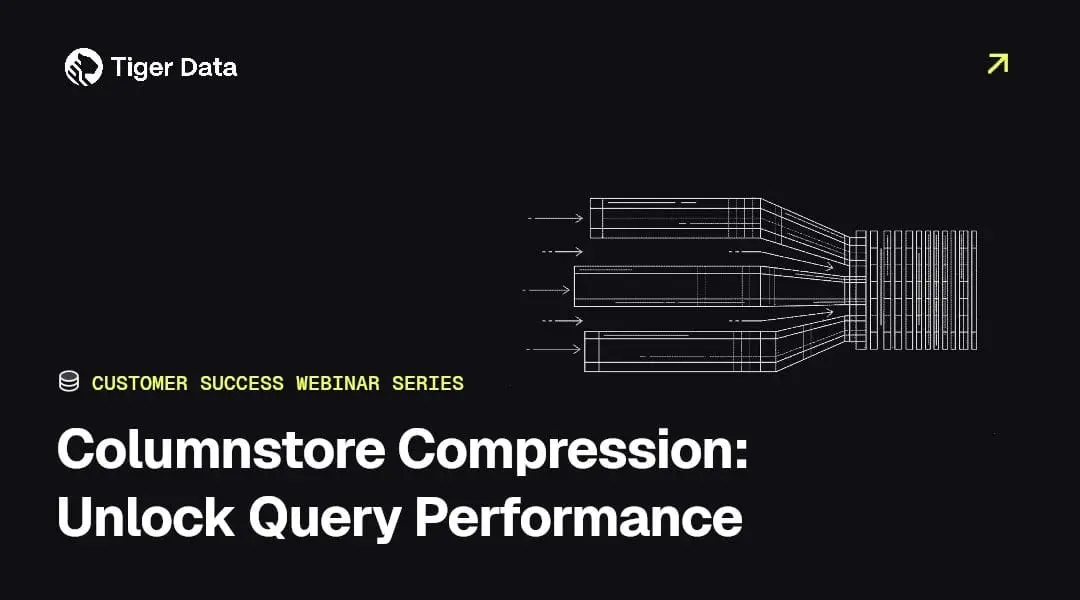
Tiger Data Customer Success Webinar Series | Columnstore Compression: Unlock Query Performance
In this webinar, you'll learn how columnstore works, see real customer results with query speedups and storage efficiency gains, and watch a live demo so you can follow and apply to your own hypertables.
Sep 16, 2026